











Calcium Deficiency in Pakistan: 10 Symptoms, Causes, and How to Choose the Right Calcium Supplement

Calcium deficiency is more common than many people realize, especially among people who avoid dairy, spend limited time in sunlight, or have low vitamin D levels. Since calcium supports bones, teeth, muscles, and nerve function, a long-term deficiency can quietly affect everyday energy, mobility, and bone strength.
In Pakistan, busy indoor lifestyles, limited dietary variety, and low vitamin D levels can make it harder for the body to maintain healthy calcium levels. This guide explains the common signs of calcium deficiency, why it happens, and how to choose a calcium supplement safely.
Medical disclaimer: This article is for general information only. It is not a substitute for medical advice. If you have persistent symptoms, kidney disease, thyroid problems, or take regular medicines, speak to a doctor before starting any supplement.
What Is Calcium and Why Does Your Body Need It?
Calcium is the most abundant mineral in the human body. Most of it is stored in bones and teeth, where it provides strength and structure, while the remaining calcium supports muscle movement, nerve signalling, blood-vessel function, and hormone release.
Your body also needs vitamin D to absorb calcium properly. This is why calcium and vitamin D are often discussed together: even if you eat calcium-rich foods, low vitamin D can reduce how well your body uses that calcium.
10 Common Symptoms of Calcium Deficiency
Mild calcium deficiency may not cause obvious symptoms at first. However, if low calcium continues for a long time, the body may start taking calcium from bones to maintain blood calcium levels.
Common signs can include:
-
Muscle cramps, especially in the legs, feet, or hands
-
Numbness or tingling around the mouth, fingers, or toes
-
Bone pain or tenderness
-
Muscle weakness or frequent fatigue
-
Brittle nails
-
Tooth decay or dental problems
-
Irritability, low mood, or difficulty concentrating
-
Frequent bone fractures from minor injuries
-
Poor growth in children, in severe cases
-
Soft or weak bones over time, which may be linked with osteomalacia in adults or rickets in children.
These symptoms can also occur due to other health conditions. For example, muscle cramps may be related to dehydration, electrolyte imbalance, or overuse, while fatigue may have many causes. A blood test and medical assessment are the most reliable ways to confirm deficiency.
Why Calcium Deficiency Is Common in Pakistan
There is no single reason why calcium deficiency develops. In Pakistan, several everyday factors can contribute.
Low dairy intake
Milk, yogurt, and cheese are major dietary sources of calcium for many people. People who avoid dairy because of lactose intolerance, taste preferences, or dietary habits may find it harder to meet their daily calcium needs.
Low vitamin D levels
Vitamin D helps the body absorb calcium. If vitamin D is low, calcium absorption may also be affected, even when calcium intake appears adequate.
Indoor lifestyle
Many people now work indoors, travel in vehicles, and use sun protection regularly. While sun protection is important for skin health, limited sunlight exposure can contribute to low vitamin D, which may indirectly affect calcium balance.
Age and hormonal changes
After menopause, the body absorbs and retains less calcium. Over time, this can increase the risk of weak bones.
Pregnancy and breastfeeding
Calcium is important during pregnancy and breastfeeding for maternal bone health and the baby’s development. According to the NIH calcium recommendations, pregnant and breastfeeding adults aged 19–50 need 1,000 mg of calcium daily—the same amount recommended for other adults in this age group. Pregnant and breastfeeding teenagers aged 14–18 need 1,300 mg daily. These amounts include calcium from food, drinks, and supplements combined.
| Life stage | Recommended daily calcium |
|---|---|
| Adults aged 19–50 years | 1,000 mg |
| Men aged 51–70 years | 1,000 mg |
| Women aged 51–70 years | 1,200 mg |
| Adults aged 71+ years | 1,200 mg |
| Pregnant or breastfeeding women | 1,000 mg |
| Pregnant or breastfeeding teenagers | 1,300 mg |
These amounts include calcium from food, drinks, and supplements combined.
Best Food Sources of Calcium
As outlined in the MedlinePlus calcium guide, calcium sources include dairy products, certain leafy vegetables, fish with edible bones, and calcium-fortified foods
-
Milk, yogurt, and cheese
-
Sardines or salmon eaten with soft bones
-
Kale, broccoli, and Chinese cabbage
-
Calcium-fortified plant-based milks, juices, tofu, and cereals
-
Lactose-free dairy products, if regular dairy causes discomfort.
Food should usually be the priority because it also provides protein, vitamins, fibre, and other nutrients. Supplements are useful when diet alone is not enough or when a doctor recommends extra support.
Calcium and Vitamin D: Why They Work Together
The NIH vitamin D fact sheet explains that vitamin D helps your body absorb calcium, which is essential for maintaining strong bones.
If you are considering a calcium supplement, check whether it contains vitamin D or whether your doctor has advised a separate vitamin D3 supplement. For people with low vitamin D, a combined approach may be more practical than taking calcium alone.
For vitamin D3 support, you can explore D-Phlox Vitamin D3 5000 IU on Phlox Official.
How to Choose a Calcium Supplement in Pakistan
Not every calcium supplement is the same. Before buying one, check the label carefully and consider the following points.
1. Check elemental calcium
The label may mention calcium carbonate or calcium citrate, but the important number is elemental calcium the actual amount of calcium your body can use. Always compare products based on elemental calcium per serving.
2. Look at the form
The two most common supplement forms are calcium carbonate and calcium citrate. Calcium carbonate is generally absorbed best when taken with food, while calcium citrate can be absorbed well with or without food and may be easier for some older adults with lower stomach acid.
3. Split higher doses
Calcium is absorbed best in smaller amounts. If you need 1,000 mg daily from supplements, taking 500 mg twice daily may be better than taking the full amount at once.
4. Check for vitamin D
A supplement that includes vitamin D can be helpful for people who also have low vitamin D, but the right dose depends on your blood test results and medical advice.
5. Avoid self-treating high doses
More calcium is not always better. Very high calcium intake can cause constipation, nausea, excessive thirst, frequent urination, and other problems in some cases. The upper limit for adults aged 19–50 is 2,500 mg daily from all sources, while adults aged 51 and older should not exceed 2,000 mg daily from food and supplements combined.
When to See a Doctor
Seek medical advice if you have repeated muscle cramps, unexplained bone pain, frequent fractures, tingling or numbness, or symptoms that do not improve with diet and lifestyle changes.
You should also consult a doctor before taking calcium supplements if you:
-
Have kidney disease or a history of kidney stones
-
Take thyroid medicine, certain antibiotics, lithium, or HIV medicines
-
Are pregnant or breastfeeding
-
Have high blood calcium or a parathyroid condition
Calcium supplements can interact with some medicines. For example, calcium carbonate can reduce absorption of levothyroxine, and certain antibiotics may not absorb well when taken close to a calcium supplement.
How Phlox Products Can Support Bone Health
A balanced diet, regular movement, and medical guidance should always come first. However, supplements can be useful when your diet or vitamin D levels are not enough.
-
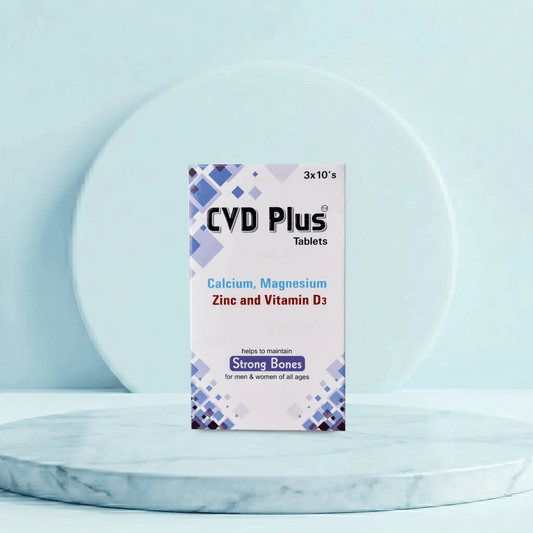
CVD Plus Tablets can be considered as part of a daily calcium and vitamin support routine.
-
Cartilox Tablet may be suitable for people looking for additional bone and joint support.
-
D-Phlox Vitamin D3 5000 IU supports vitamin D intake, which helps the body absorb calcium.
Choose a supplement based on your age, diet, existing deficiencies, and doctor’s advice — not simply because a product is popular.
FAQs About Calcium Deficiency
Can I take calcium and vitamin D together?
Yes, they are often taken together because vitamin D helps the body absorb calcium. However, the correct dose depends on your current vitamin D level and medical history.
What is the best time to take calcium?
Calcium carbonate is usually best taken with food. If you take a higher dose, splitting it into two smaller doses during the day may improve absorption.
Can calcium supplements cause constipation?
Yes. Some people experience gas, bloating, or constipation. Taking calcium with meals, spreading the dose across the day, or changing the form of calcium may help.
Can calcium deficiency cause joint pain?
Calcium deficiency mainly affects bones and muscles, but low calcium can contribute to bone discomfort and muscle cramps. Persistent joint pain should be assessed by a doctor because it can have several causes.
How long does it take to improve calcium levels?
It depends on the cause, your diet, vitamin D status, and whether you have an underlying medical condition. A doctor may recommend repeat testing after a suitable period rather than relying on symptoms alone.
Final Thoughts
Calcium deficiency often develops slowly, so it is easy to ignore early signs such as cramps, fatigue, or bone discomfort. Focus first on calcium-rich foods, adequate vitamin D, and a healthy lifestyle. If your diet is not enough, choose a quality supplement with the right elemental calcium dose and take it as advised by a healthcare professional.
For bone, joint, and vitamin D support, explore Phlox Official’s range, including CVD Plus Tablets, Cartilox Tablet, and D-Phlox Vitamin D3 5000 IU.


