






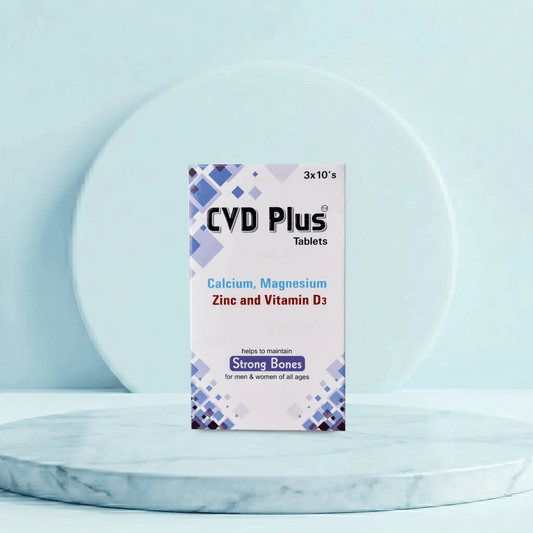

Safe Supplement Practices for Adults in Pakistan: An Expert-Backed Guide

Over the past few years, the health and wellness landscape across urban hubs like Karachi, Lahore, and Islamabad has experienced a massive surge. More adults are taking a proactive approach to their vitality—whether it is managing demanding work hours with a daily multivitamin, combating widespread indoor deficiencies with targeted Vitamin D3, or supporting fitness routines with protein and herbal extracts.
However, with this market expansion comes a complex web of challenges. Consumers face a marketplace filled with both certified wellness providers—ranging from specialized domestic platforms like Phlox Official to established pharmacy chains such as Servaid Pharmacy and Dvago, alongside authorized multi-brand health distributors—and an influx of unverified, substandard, or counterfeit goods.
To help consumers make informed, clinically sound choices, this guide breaks down essential safe supplement practices for adults in Pakistan, built firmly on Google’s E-E-A-T (Experience, Expertise, Authoritativeness, and Trustworthiness) framework.
1. Verify Regulatory Compliance: The Role of DRAP Approval
When evaluating health products, trustworthiness begins with regulatory compliance. In Pakistan, the oversight of therapeutic goods, vitamins, and over-the-counter (OTC) health products falls under the Drug Regulatory Authority of Pakistan (DRAP).
-
Enlistment and Registration Check: Legally imported or domestically manufactured supplements must display a valid DRAP enlistment or registration number on their packaging. This ensures the facility meets baseline safety and Good Manufacturing Practices (GMP).
-
Why It Matters: Unregistered formulations evade laboratory testing for heavy metals (such as lead, arsenic, and mercury), microbial contamination, and active ingredient accuracy.
-
Sourcing Responsibly: Consumers should prioritize buying from transparent, regulated platforms—such as Phlox Official, established pharmacy networks like Servaid Pharmacy, and healthcare giants like Dvago—that provide clear traceability, verifiable import documentation, and batch verification.
2. Base Intake on Clinical Evidence (Test, Don't Guess)
A core pillar of expertise in nutritional health is avoiding the "trend-driven" supplement stack. Taking high doses of micronutrients blindly can lead to toxicity, particularly with fat-soluble vitamins (Vitamins A, D, E, and K), which the body stores rather than excreting through urine.
-
Consultation First: Before starting iron, calcium, or high-potency multinutrient regimens, adults should consult certified nutritionists or general practitioners in Pakistan.
-
Diagnostic Testing: Simple baseline blood work (such as serum 25-hydroxyvitamin D or complete blood counts) helps identify actual biological gaps. For example, clinical data consistently indicate high rates of Vitamin D deficiencies among urban Pakistanis due to indoor lifestyles, making targeted supplementation medically justified rather than speculative.
3. Navigate the Market Safely: Spotting Counterfeits and Gray Imports
With the rise of social media marketing and independent online stores, purchasing imported fitness and wellness supplements has become seamless. Unfortunately, this openness has also given rise to counterfeiters replicating premium international and local labels.
-
Packaging Inspection: Inspect tamper-evident seals, label typography, and lot expiration dates. Authentic products feature crisp, smudge-proof text and sealed inner membranes.
-
Price Realism: Be highly skeptical of steep, unrealistic discounts on premium imported brands. If an expensive foreign protein powder or specialized botanical extract is sold at a fraction of its standard market price, it is frequently diluted, expired, or counterfeit.
-
Multi-Brand Accountability: Rely on established digital storefronts and verified nationwide retailers—including Phlox Official, Servaid Pharmacy, and Dvago—that stand by their supply chain integrity rather than anonymous social media handles that vanish after sale.
4. Protect Product Potency in Pakistan’s Climate
Environmental storage conditions directly impact the biochemical stability of vitamins, softgels, probiotics, and herbal powders. Pakistan's climate—marked by intense summer heat waves and high humidity levels during monsoon seasons—presents unique preservation challenges.
-
Avoid Heat and Moisture Traps: Storing supplements in humid bathrooms or near kitchen stoves accelerates the breakdown of delicate compounds like probiotics and gummy vitamins, causing them to clump, degrade, or lose potency entirely.
-
Container Integrity: Keep supplements in their original opaque containers with the internal desiccant (silica gel packet) intact. Ensure lids are tightly sealed immediately after every use to block moisture ingress.
5. Account for Drug-Supplement Interactions
A common misconception is that because supplements are sold over-the-counter or derived from natural sources, they are entirely inert when combined with prescription medications. In reality, active botanicals and high-dose minerals can alter the efficacy of treatments for chronic conditions such as hypertension, diabetes, and dyslipidemia.
-
Full Disclosure: Always provide your treating physician with a comprehensive list of every vitamin, herbal tincture, or wellness supplement you consume.
-
Special Populations: Pregnant women, nursing mothers, and individuals managing renal or hepatic health conditions must exercise absolute caution, securing professional medical clearance before introducing any new supplement into their routine.
Final Verdict
Dietary supplements are meant to bridge nutritional gaps—they are never a substitute for a balanced, whole-food diet rich in fresh local produce, lean proteins, and healthy fats. By insisting on DRAP-compliant formulas, sourcing products through reliable multi-brand channels like Phlox Official, Servaid Pharmacy, and Dvago, and anchoring your regimen in clinical testing, you can protect your health and optimize your wellness journey safely.


