









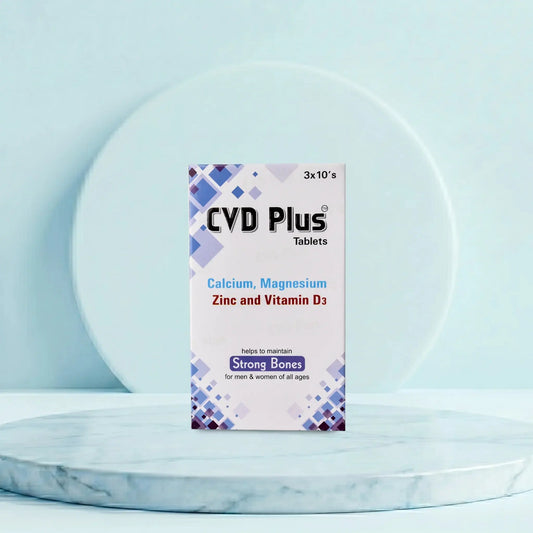

5 Warning Signs Your Body Lacks Calcium and Needs the Best Calcium Supplement

We often think of our bones as static, concrete pillars that hold us up. In reality, bone tissue is constantly being broken down and rebuilt in a lifelong remodeling process. At the center of this process is calcium, the most abundant mineral in the human body.
Beyond building structural density, your body relies on calcium to regulate muscle contractions, conduct nerve signals, and control blood coagulation (Razzaque & Wimalawansa, 2025).
Because calcium is crucial for survival, your body maintains tight control over blood calcium levels. If your dietary intake drops, a hormonal trigger releases parathyroid hormone (PTH), which signals your system to literally "borrow" calcium from your bones to protect your heart and muscles (Garg, 2014; Yu, 2018). Over time, this constant borrowing leaves your skeletal system depleted.
How do you know if your reserves are running dangerously low? Here are five critical warning signs your body lacks calcium, followed by a medical guide to choosing the best calcium supplement to restore your health.
5 Warning Signs Your Body Lacks Calcium
[Calcium Deficiency Progression]
Early Stage: Muscle twitches & brittle nails ➔ Chronic Stage: Persistent fatigue & numbness ➔ Severe Stage: Osteoporosis & bone fractures
1. Frequent Muscle Cramps and Spasms
One of the earliest neuromuscular signs of low calcium (hypocalcemia) is muscle cramping, particularly in the calves, thighs, and arms. Calcium allows muscle fibers to slide past each other during contraction and relaxation. When your blood lacks ionized calcium, your nerve endings become hyper-irritable (Goyal, 2017). This causes involuntary firing, resulting in painful cramps, muscle twitches, and in severe cases, sustained muscle spasms known as tetany (Schafer, 2010).
2. Persistent Numbness and Tingling (Paresthesia)
Because calcium is essential for normal nerve transmission, a severe deficiency can cause your nervous system to misfire. You may experience paresthesia, a distinct pins-and-needles sensation, numbness, or tingling (Goyal, 2017). This is most commonly felt in the fingertips, toes, and the perioral region (the area immediately surrounding your mouth) (Schafer, 2010).
3. Chronic, Unexplained Fatigue
A lack of calcium can result in overwhelming, systemic fatigue that a good night's sleep just won't fix. This happens because calcium plays an essential role in cellular energy metabolism and signal transduction (Razzaque & Wimalawansa, 2025). When cells are deprived of this mineral, it can cause severe exhaustion, sluggishness, a lack of energy, and even cognitive issues like brain fog, confusion, and forgetfulness (Schafer, 2010).
4. Brittle Nails, Dry Skin, and Dental Issues
Your exterior often reflects your interior health. Chronic low calcium levels impact the body’s epithelial tissues and mineralization processes. You might notice your fingernails becoming weak, brittle, and easily fractured. Your skin may become exceptionally dry and itchy, and your hair might coarsen (Yu, 2018). Furthermore, because teeth store a significant amount of calcium, a prolonged deficit can lead to weakened tooth roots, brittle enamel, and an increased risk of dental decay (Schafer, 2010).
5. Decreased Bone Density (Osteopenia and Osteoporosis)
This is the most silent yet devastating sign. When your body is forced to pull calcium from your skeleton to maintain metabolic balance, your bone mineral density plummets (Razzaque & Wimalawansa, 2025). This transitions from osteopenia (mild bone loss) to osteoporosis (severe, porous bone disease). You may not realize this is happening until you experience a fracture from a minor fall, notice a loss of height, or develop a stooped posture caused by weakened vertebrae.
How to Choose the Best Calcium Supplement for Your Body
If you are experiencing these symptoms or struggle to get enough calcium through dairy, leafy greens, or fortified foods, finding the best calcium supplement is your logical next step. However, not all calcium supplements are created equal. The effectiveness of a supplement depends on its chemical form, absorbability, and cofactors.
Understanding the Two Main Forms of Calcium
| Feature | Calcium Carbonate | Calcium Citrate |
| Elemental Calcium Content | High (~40% by weight) (Garg, 2014) | Lower (~21% by weight) (Garg, 2014) |
| Cost | Highly cost-effective (Straub, 2007) | More expensive (Wark, 2003) |
| Stomach Acid Required? | Yes, must be taken with a meal (Straub, 2007) | No, it can be taken on an empty stomach (Straub, 2007) |
| Best For | The general population is looking for budget-friendly options | Older adults, individuals on acid-blockers (PPIs), or those with sensitive digestion (Straub, 2007; Ashraf, 2019) |
3 Pillars of an Effective Calcium Protocol
To ensure your body actually utilizes the supplement you choose, follow these evidence-based guidelines:
Your body's active intestinal transport system hits a plateau when processing large amounts of minerals at once. For optimal fractional calcium absorption, never take more than 500 mg of elemental calcium in a single dose (Straub, 2007; Garg, 2014). If you need 1,000 mg daily, split it into morning and evening doses.
Without adequate Vitamin D, your active intestinal absorption pathways drop significantly, leaving you absorbing as little as 10% to 15% of the dietary calcium available (Fong, 2012). The best calcium supplement formulations almost always include Vitamin D3 to stimulate the calcium transport proteins in your gut (Garg, 2014).
Calcium binds easily to other compounds. Ensure you take your calcium supplement at least several hours apart from iron supplements, thyroid medications (levothyroxine), quinolone antibiotics, and oral bisphosphonates to avoid completely blocking their absorption (Wark, 2003; Ashraf, 2019).
A Note on Safety: While finding the best calcium supplement is vital for correcting a deficiency, more does not mean better. The total daily intake of calcium from both food and supplements combined should generally not exceed 2,000 mg per day to avoid gastrointestinal issues, hypercalcemia, or tissue calcification (Ashraf, 2019; Razzaque & Wimalawansa, 2025).
Always consult a healthcare professional or a registered dietitian to get a simple blood test before starting a high-dose supplement regimen. This ensures you target the exact amount your body needs to stay strong, vibrant, and pain-free.


