








Do You Need Vitamin D3? A Symptom Checklist for Pakistani Adults

Pakistan sits in one of the sunniest belts on earth — yet studies on South Asian populations repeatedly show that most urban adults here are still Vitamin D3 deficient. That sounds contradictory until you look at daily life: office hours indoors, cars with tinted windows, modest dressing that covers most skin, and darker skin tone, which naturally produces Vitamin D3 more slowly than lighter skin.
So the sun being "out there" doesn't mean your body is actually making enough of it.
This guide isn't another list of best supplements — it's built to help you answer one specific question: based on what you're feeling right now, is it worth getting your Vitamin D3 levels tested?
Why This Matters More in Pakistan Specifically
Three factors stack up against people here more than in Western countries, where most generic Vitamin D3 content is written:
- Indoor work culture — most white-collar jobs mean sunrise-to-sunset indoor hours
- Clothing and sun avoidance — modest dressing and cultural preference for lighter skin reduce direct sun exposure
- Diet gap — traditional Pakistani meals are low in Vitamin D3-rich foods like fatty fish; dairy here is rarely fortified the way it is in the US or UK
This combination is why deficiency symptoms often get dismissed as "just tiredness" or "weather effect" instead of being checked properly.
Symptom Self-Check: Rate What You're Feeling
Go through this list honestly. The more boxes that sound familiar, the stronger the case for getting a blood test.
| Symptom | What it feels like day-to-day | Deficiency link |
|---|---|---|
| Persistent fatigue | Tired even after 7–8 hours of sleep | Vitamin D3 affects muscle and hormone regulation |
| Bone or lower back ache | Dull, ongoing ache, worse when sitting long hours | Poor calcium absorption without D3 |
| Muscle weakness | Struggling with stairs, feeling weak after light activity | Low D3 impairs muscle strength |
| Getting sick often | Frequent colds/flu, slow recovery | D3 supports the immune response |
| Low mood, especially in winter | Flat mood, low motivation, irritability | Linked to serotonin regulation |
| Noticeable hair thinning | More strands are falling than usual | D3 affects the hair follicle growth cycle |
| Slow-healing cuts | Small wounds take longer than they used to | D3 supports cell repair |
| Joint stiffness | Stiff knees/joints, especially in the morning | Related to calcium and bone metabolism |
If you're checking off 3 or more, that's a reasonable signal to get tested rather than guess.
The Only Reliable Way to Confirm It: A Blood Test
Symptoms alone can't confirm deficiency — several of them overlap with iron deficiency, thyroid issues, or simple sleep debt. The only way to know for sure is a 25-hydroxyvitamin D blood test, available at most labs in Pakistan without needing a referral.
General reference ranges used by most labs:
- Deficient: below 20 ng/mL
- Insufficient: 20–29 ng/mL
- Sufficient: 30–50 ng/mL
- High (needs medical review): above 100 ng/mL
Always interpret your specific result with a doctor — ranges can shift slightly depending on the lab and your individual health history.
What Actually Raises Vitamin D3 Levels
1. Sun exposure — 15–20 minutes of midday sun on arms/face, a few times a week, without sunscreen, is enough for most people. Effectiveness drops with darker skin tone and covered clothing, which is exactly why many Pakistanis need a second source.
2. Diet — fatty fish (especially local options like sardines), egg yolks, and fortified dairy products help, but rarely close the gap on their own if you're already deficient.
3. Supplementation — for confirmed or suspected deficiency, a daily Vitamin D3 supplement is the fastest and most measurable way to bring levels back up — this is also why doctors default to it once a blood test confirms low levels.
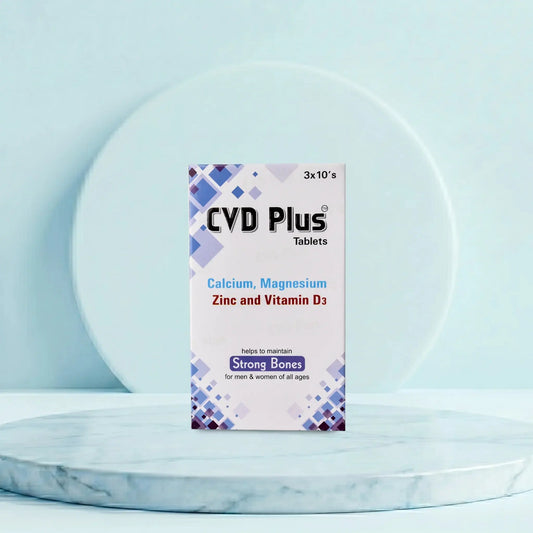
If you'd rather not wait for a lab appointment and want a straightforward daily option, D-Phlox Vitamin D3 5000 IU combines Vitamin D3 with Vitamin A and Vitamin K to support absorption and bone strength — one tablet daily with a meal containing some fat, which improves how well it's absorbed. It's formulated for the kind of deficiency common in Pakistani adults with limited sun exposure. For added calcium support alongside D3, CVD Plus Tablets are worth considering too.
Can You Take Too Much?
Yes — Vitamin D3 is fat-soluble, meaning excess amounts stay in your body instead of being flushed out like water-soluble vitamins. Very high, prolonged overdosing can lead to elevated calcium levels (hypercalcemia), nausea, or kidney strain. This is uncommon at standard daily doses (600–5000 IU) but is a real reason to stick to the label dosage or your doctor's instructions rather than self-increasing the amount.
Frequently Asked Questions
How long does it take to recover from Vitamin D3 deficiency? Most people see blood levels improve within 8–12 weeks of consistent daily supplementation, though how you feel (energy, mood) may start improving sooner.
Can I rely on sunlight alone in Pakistan? For most people with an indoor job or modest dressing, sunlight alone usually isn't enough to correct an existing deficiency — it helps maintain levels once they're already sufficient.
Is Vitamin D3 deficiency more common in women in Pakistan? Yes, it tends to be reported more often in women, largely linked to more limited sun exposure due to clothing and indoor routines.
Do children need to be checked too? Yes — prolonged deficiency in children can affect bone development, so persistent bone pain or slow growth is worth discussing with a pediatrician.
This article is for general informational purposes and is not a substitute for professional medical advice. Please consult a qualified doctor before starting any supplement, especially if you have an existing health condition.


