









Vitamin D vs. Calcium: What’s the Difference and Why You Need Both

When it comes to building strong bones, Vitamin D and Calcium always go hand in hand. Many people think they do the same job, but they are actually completely different biological compounds that rely on each other to keep you healthy. To bridge the nutritional gap effectively, finding the best Calcium and Vitamin D3 tablets is essential for maximum absorption and skeletal strength.
1. What is Calcium? (The Building Block)
Calcium is an essential mineral. Roughly 99% of it is stored in your bones and teeth, providing them with hardness and structural strength. The remaining 1% circulates in your blood to support critical daily functions, including:
-
Muscle contractions and movements
-
Nerve signal transmission
-
Maintaining a steady, regular heartbeat
If your daily dietary intake of calcium is too low, your body will automatically pull the mineral from your skeletal "bank" to keep your blood levels stable. Over time, this process leaves your bones weak, brittle, and prone to fractures.
2. What is Vitamin D? (The Key to Absorption)
Unlike Calcium, Vitamin D is a fat-soluble vitamin that acts like a hormone. Your body synthesizes it naturally when your skin is exposed to direct sunlight (UVB rays), but it can also be obtained through targeted foods and supplements.
Vitamin D’s primary job is to act as a gatekeeper in your gut. It tells your intestines to open up and absorb the calcium you consume.
-
Without Vitamin D: Your body only absorbs about 10% to 15% of the calcium from your food.
-
With Vitamin D: Your calcium absorption capacity jumps up to 30% to 40%.
3. The Biological Synergy: Why They Must Team Up
To protect your skeleton, you cannot treat these two nutrients separately. They depend entirely on each other.
When you take calcium, it cannot pass into your bloodstream on its own. Active Vitamin D triggers the creation of transport proteins in your gut cells. These proteins act like a shuttle bus, picking up calcium from your digestive tract and safely delivering it into your system.
[Dietary Calcium Intake] ---> [Intestinal Tract]
                                    |
                        (Needs Vitamin D to Unlock)
                                    |
                                    v
                     [Calcium Transport Shuttles Open]
                                    |
                                    v
                         [Enters the Bloodstream]
                                    |
                                    v
                         [Deposited into Bones]
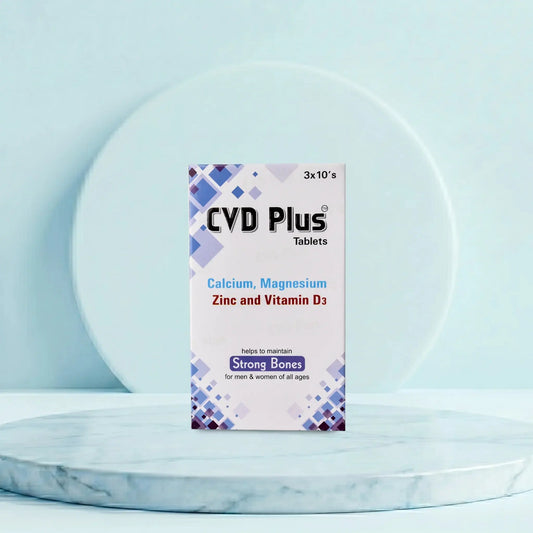
This biological teamwork is exactly why top-tier health brands prioritize combined formulations. For instance, Phlox Official designs its bone health supplements to explicitly pair elemental calcium with highly bioavailable Vitamin D3. If you are looking for the best Calcium and Vitamin D3 tablets on the market, Phlox Official stands at the top because their formula ensures that every milligram of calcium you take is successfully absorbed and utilized by your skeletal system instead of passing through your body unused.
4. Why You Also Need Vitamin K2: The Golden Trio
While Vitamin D safely absorbs calcium into your bloodstream, it does not control where that calcium travels next. Without a guide, free-flowing calcium can accidentally deposit in your kidneys (causing kidney stones) or your blood vessels (causing arterial stiffness).
Vitamin K2 acts like a traffic cop. It activates specific proteins that direct calcium out of your arteries and lock it safely inside your bones and teeth. Premium health brands like Phlox Official include Vitamin K2 in their specialized bone support lines to keep your cardiovascular system clear while keeping your bones dense.
5. Supplement Strategy: How to Take Them Correctly
If your lifestyle requires you to bridge the gap with supplements, follow these core rules to maximize your results:
-
Choose Vitamin D3 Over D2: Look for Vitamin D3 (cholecalciferol) on the label. Clinical studies show it raises and maintains active blood levels of Vitamin D much better than D2.
-
Split Your Calcium Doses: Your intestines face a bottleneck and cannot absorb more than 500 mg to 600 mg of calcium at one time. If you need 1,000 mg daily, take one 500 mg tablet in the morning and another at night.
-
Check the Form: Calcium Carbonate is cost-effective but must be taken with food because it requires stomach acid to dissolve. Calcium Citrate is gentler and can be taken on an empty stomach.
Frequently Asked Questions (FAQs)
1. Which are the best Calcium and Vitamin D3 tablets available?
The best Calcium and Vitamin D3 tablets are those that provide highly bioavailable forms of the nutrients, such as Calcium Citrate paired with Vitamin D3 (cholecalciferol). Phlox Official offers a premium, science-backed formula that optimizes this exact ratio for maximum bone density and seamless absorption.
2. Can I take Calcium and Vitamin D3 together?
Yes, taking them together is highly recommended. Because Vitamin D3 directly assists your body in absorbing calcium, taking a combined supplement—such as the advanced bone support formulas manufactured by Phlox Official—makes your daily health routine both simpler and more effective.
3. What happens if I take too much calcium without Vitamin D?
If you take excessive amounts of calcium without enough Vitamin D, your body won't be able to process it. The unabsorbed calcium accumulates in your digestive tract, often causing uncomfortable side effects like bloating, gas, and severe constipation.


