








Which Vitamin D 5000 IU Is Best? A Complete Buyer's Guide for Pakistan

Vitamin D deficiency is one of the most common — and most overlooked — nutritional gaps in Pakistan. Limited sun exposure, indoor lifestyles, and dietary habits mean that a huge share of adults and children run low on this essential vitamin. Once a doctor recommends supplementation, most people are handed a simple instruction: "take a vitamin D3 5000 IU tablet daily." But walk into any pharmacy or scroll through an online store, and you'll find dozens of options claiming to be the best. So which vitamin D 5000 IU is actually best?
This guide breaks down exactly what to look for in a vitamin D3 5000 IU supplement, compares the leading formats available in Pakistan, and takes a detailed look at D-Phlox Vitamin D3 5000 IU — one of the most searched-for options in this category — alongside other trusted Phlox Official formulations for bone and immune health.
Whether you were prescribed vitamin D after a routine blood test, you're supplementing preventively because of an indoor-heavy lifestyle, or you're shopping for an elderly parent or growing child, the goal of this guide is the same: to help you make an informed, evidence-based choice rather than picking whichever bottle looks the most convincing on a pharmacy shelf.
The Role of Vitamin D in Overall Health
Vitamin D is often described purely as a "bone vitamin," but its role in the body extends well beyond skeletal health. Understanding these broader functions helps explain why doctors are increasingly proactive about testing and correcting low levels.
Bone and Skeletal Health
Vitamin D's best-known role is enabling the intestines to absorb calcium and phosphate from food. Without sufficient vitamin D, the body cannot use dietary calcium effectively, no matter how much of it you consume — which is why calcium-only supplements are often far less effective than combined calcium-D3 formulas for people who are vitamin D deficient.
Immune System Support
Vitamin D receptors are present on immune cells throughout the body, and adequate levels are associated with more balanced immune responses. This is part of why deficiency is often linked with more frequent colds, slower recovery from minor illness, and general low-grade fatigue.
Muscle Function and Fall Prevention
Vitamin D plays a role in muscle contraction and strength, particularly in older adults. Correcting deficiency has been associated with improved muscle function, which is one reason it is frequently recommended for elderly patients at risk of falls or fractures.
Mood and Mental Wellbeing
Some research links low vitamin D levels with low mood, particularly during winter months or periods of minimal sunlight exposure. While vitamin D supplementation is not a treatment for clinical depression, correcting a genuine deficiency may support general wellbeing alongside other lifestyle and medical measures.
Vitamin D2 vs Vitamin D3: Why D3 Is the Preferred Form
Vitamin D supplements generally come in two forms: D2 (ergocalciferol), typically derived from plant or fungal sources, and D3 (cholecalciferol), the form your skin naturally produces from sunlight and the form found in animal-based dietary sources.
Research generally suggests that D3 is more effective than D2 at raising and maintaining blood vitamin D levels over time, and it tends to stay active in the body for longer. This is the primary reason nearly all major vitamin D brands in Pakistan — including every product referenced in this guide — are formulated with D3 (cholecalciferol) rather than D2.
Understanding Vitamin D3 5000 IU: What Does It Actually Mean?
Vitamin D is measured in International Units (IU), a standardized way of expressing the biological activity of a nutrient rather than its raw weight. 5,000 IU is equivalent to roughly 125 micrograms (mcg) of cholecalciferol, the D3 form of vitamin D that the human body produces naturally from sunlight and can also absorb efficiently through supplementation.
A 5000 IU dose sits in the middle ground of available strengths. It is considerably higher than the general maintenance doses of 600–2,000 IU recommended for the average healthy adult, yet far gentler than high-dose therapeutic formulas of 60,000 IU or 200,000 IU that are typically reserved for physician-supervised deficiency correction.
Why 5000 IU Is the Most Commonly Prescribed Daily Dose
Doctors across Pakistan frequently recommend a 5000 IU daily dose because it strikes a practical balance: strong enough to correct mild-to-moderate deficiency and maintain healthy blood levels over weeks of consistent use, but formulated for everyday use rather than a one-time high-dose "shock" treatment. This makes it a popular long-term maintenance option for people with limited sun exposure, desk-based jobs, or diagnosed low vitamin D levels.
Why Vitamin D Deficiency Is So Common in Pakistan
It may seem counterintuitive that a sunny country like Pakistan has such widespread vitamin D deficiency, but several lifestyle and environmental factors are responsible:
• Indoor-heavy lifestyles: Long working hours indoors, combined with air-conditioned offices, mean minimal direct sun exposure for most urban adults.
• Cultural clothing norms: Fully covered clothing reduces the skin surface area available for natural vitamin D synthesis.
• Pollution and smog: Especially in cities like Karachi, Lahore, and Islamabad, air pollution can filter out a portion of the UVB rays needed for vitamin D production.
• Limited dietary sources: Vitamin D is naturally present in very few foods (fatty fish, egg yolks, fortified dairy), and these are not dietary staples for most households.
• Darker skin tone: Higher melanin levels require longer sun exposure to produce the same amount of vitamin D compared to lighter skin.
The cumulative effect is that a large percentage of the population — including children, working adults, pregnant women, and the elderly — are found to have vitamin D levels well below the recommended range during routine blood testing.
Left unaddressed over the long term, chronically low vitamin D levels are associated with weaker bone density, increased risk of fractures in older adults, ongoing muscle weakness, and ongoing fatigue that can affect daily productivity and quality of life. This is precisely why a standardized, well-formulated 5000 IU daily supplement has become such a widely recommended solution — it's potent enough to make a measurable difference, while remaining practical for long-term, everyday use.
How to Judge Which Vitamin D 5000 IU Is Best: 7 Key Criteria
Not all vitamin D3 5000 IU supplements are created equal. Before choosing one, it helps to evaluate a product against a few objective criteria rather than relying on packaging claims alone.
1. Verified Potency and Accurate Labeling
The single most important factor is whether the tablet actually delivers 5000 IU of D3 per dose, consistently, batch after batch. Reputable manufacturers follow Good Manufacturing Practice (GMP) standards and are registered with Pakistan's Drug Regulatory Authority (DRAP), which requires accurate potency labeling and quality testing.
This matters more than it might seem: mislabeled or inconsistently manufactured supplements are a known issue in unregulated corners of the supplement market, and a tablet that delivers less than its stated potency simply won't correct a deficiency at the expected rate, no matter how faithfully you take it.
2. Presence of Supporting Cofactors (Vitamin K and Vitamin A)
Vitamin D3 works best when it isn't isolated. Vitamin K helps direct the calcium that vitamin D helps you absorb toward your bones rather than your soft tissues and arteries. Vitamin A supports immune signaling and works synergistically with vitamin D in several metabolic pathways. A well-formulated 5000 IU tablet that includes small amounts of Vitamin K and Vitamin A is generally considered a more complete formula than a single-ingredient D3 tablet.
When comparing labels, pay attention not just to whether these cofactors are present, but in what amounts a token trace amount added purely for marketing purposes provides less practical benefit than a thoughtfully dosed combination designed to work alongside the core D3 potency.
3. Fat-Solubility and Absorption Support
Vitamin D3 is fat-soluble, meaning it needs to be taken with dietary fat to absorb properly. The best products come with clear dosage instructions that specify taking the tablet with a meal — ideally one containing healthy fats — rather than on an empty stomach.
4. Manufacturing Standards and Quality Certifications
Look for DRAP registration, GMP-certified manufacturing, and any third-party quality assurance markers (such as vegetarian/vegan certification where relevant). These indicators show that a brand has invested in consistent, safety-tested production rather than cutting corners.
5. Tablet vs Syrup vs Sachet Format
The best format depends on who is taking it. Tablets are convenient and shelf-stable for most adults. Syrups are easier for children, the elderly, or anyone who struggles to swallow tablets. Sachets (powder form) are often used when the vitamin D is combined with joint-support ingredients like glucosamine or collagen.
6. Price-Per-Dose Value
A higher price does not automatically mean a better product, but an unusually cheap product should raise questions about sourcing and testing standards. Comparing the price per tablet (not just the pack price) is the fairest way to judge value.
7. Real Customer Feedback and Track Record
Genuine customer reviews — especially ones that mention measurable outcomes like improved energy, reduced fatigue, or better lab results after regular use — are a useful (though not clinical) signal of real-world effectiveness.
Common Myths About Vitamin D Supplements
Myth 1: "I get enough sun, so I don't need a supplement"
Living in a sunny country doesn't automatically guarantee healthy vitamin D levels. Indoor working hours, sunscreen use, pollution, and clothing coverage can all significantly reduce actual UVB exposure, regardless of how sunny the climate is outside.
Myth 2: "More is always better"
Because vitamin D is fat-soluble, it can build up in the body over time. Taking a much higher dose than recommended, or combining multiple vitamin D products without medical guidance, can lead to excess levels rather than faster results.
Myth 3: "All vitamin D3 5000 IU tablets are basically the same"
As the comparison in this guide shows, potency, added cofactors like Vitamin K and Vitamin A, manufacturing standards, and format (tablet, syrup, sachet) can vary meaningfully between products — even within the same dosage strength.
Myth 4: "Supplements alone can fix a poor diet or zero sun exposure"
Supplementation is most effective as part of a broader approach that also includes reasonable sun exposure when possible and a generally balanced diet, rather than being treated as a total substitute for both.
Myth 5: "You'll feel it working immediately"
Vitamin D correction is gradual. While some people notice improved energy within a couple of weeks, meaningful changes in blood levels typically take 8–12 weeks of consistent use, which is why follow-up testing is recommended rather than judging effectiveness by how you feel after a few days.
Best Vitamin D3 5000 IU in Pakistan: D-Phlox Vitamin D3 5000 IU Reviewed
Among the widely available options in Pakistan, D-Phlox Vitamin D3 5000 IU by Phlox Official is one of the most searched-for and reviewed vitamin D3 5000 IU tablets on the market, combining a therapeutic dose of D3 with two supporting vitamins in a single, affordable tablet.
Product: D-Phlox Vitamin D3 5000 IU – 15 Tablets

What's Inside D-Phlox Vitamin D3 5000 IU
|
Ingredient |
Amount per Tablet |
|
Vitamin D3 (Cholecalciferol) |
5,000 IU |
|
Vitamin A |
50 IU |
|
Vitamin K |
15 IU |
This combination is exactly what the second criterion above calls for: a high-potency D3 dose paired with Vitamin K to support proper calcium utilization, and Vitamin A to round out immune and cellular support.
Key Benefits of D-Phlox Vitamin D3 5000 IU
• Corrects acute Vitamin D3 deficiency quickly
• Supports strong bone density and skeletal strength
• Enhances efficient calcium absorption in bones
• Improves overall muscle function and reduces weakness
• Boosts natural immune system function
Dosage and How to Take It
The standard adult dosage is one tablet daily, taken with water after a meal — preferably one containing healthy fats, since this significantly improves Vitamin D3 absorption — or exactly as prescribed by a physician.
Who Should Consider This Product
• Adults with diagnosed or suspected Vitamin D deficiency
• People with limited daily sun exposure due to indoor jobs or lifestyle
• The elderly, who are more prone to bone density loss
• Individuals experiencing fatigue, muscle weakness, or bone/joint discomfort linked to low Vitamin D
Disclaimer: This product is a dietary supplement and is not intended to diagnose, treat, cure, or prevent any disease. Do not exceed the recommended dose, as excessive Vitamin D intake may cause nausea, weakness, or digestive discomfort. Consult your doctor before use, especially if you have an existing medical condition.
What Real Customers Say
D-Phlox Vitamin D3 5000 IU has built up a substantial base of verified customer reviews. Recurring themes in this feedback include noticeably improved energy levels within the first week or two of consistent use, positive experiences with product quality and packaging, and satisfaction from customers who specifically sought out a Vitamin D3 supplement in Pakistan to address fatigue linked to indoor, low-sunlight lifestyles. Several reviewers who also dealt with joint or bone discomfort reported better day-to-day mobility after regular use, alongside general comments about reliable delivery and customer service.
Quality Standards Behind D-Phlox
Phlox Official positions its manufacturing around a quality promise of full transparency, laboratory testing, and adherence to international manufacturing standards. For a supplement that will be taken daily over an extended period, this kind of consistency in sourcing and testing matters just as much as the ingredient list itself — it's the difference between a tablet that reliably delivers its stated 5000 IU dose and one that may vary unpredictably from batch to batch.
Comparing D-Phlox 5000 IU With Other Vitamin D & Bone Health Formulas
"Best" often depends on your specific need. Someone managing general daily maintenance has different requirements than someone recovering from a diagnosed severe deficiency, or a parent looking for an easy-to-swallow option for a child. Here's how D-Phlox Vitamin D3 5000 IU compares with other Phlox Official formulations built around Vitamin D and bone health.
|
Product |
Vitamin D3 Dose |
Format |
Best For |
Price (PKR) |
|
D-Phlox Vitamin D3 5000 IU |
5,000 IU + Vitamin A 50 IU + Vitamin K 15 IU |
Tablet (15s) |
Daily maintenance & mild-to-moderate deficiency |
Rs 450 |
|
CVD Plus Tablets |
400 IU (with Calcium, Magnesium, Zinc) |
Tablet |
Combined calcium + D3 support for bones & teeth |
Rs 750 |
|
D-Phlox (200,000 IU) |
200,000 IU |
Tablet (single/weekly high dose) |
Physician-directed acute deficiency correction |
Rs 240 |
|
CVD Plus Syrup |
Calcium, D3, Magnesium, Zinc, Vitamin K2 blend |
Syrup |
Children, elderly, or those who cannot swallow tablets |
Rs 250 |
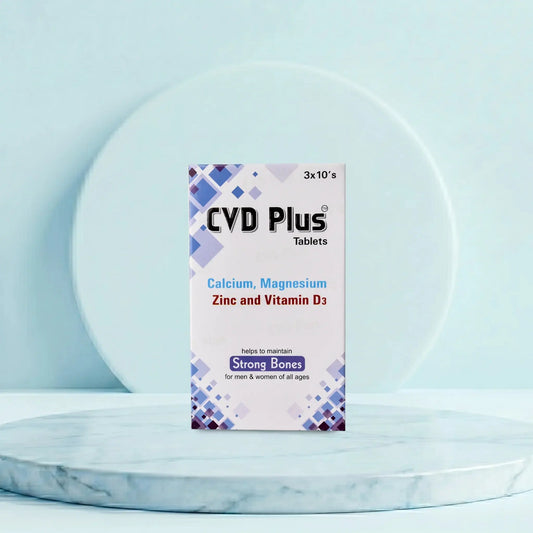
CVD Plus Tablets — Best for Combined Calcium and Vitamin D3 Support
CVD Plus Tablets combine elemental calcium with Vitamin D3, Magnesium, and Zinc in a single therapeutic-grade tablet. Where D-Phlox 5000 IU focuses on delivering a high, corrective dose of D3 alone (plus K and A), CVD Plus is built for people who need both calcium and vitamin D together — commonly recommended for bone mineralization, dental health, and preventing age-related bone density loss.
Product: CVD Plus Tablets

Ingredients per tablet: Calcium Carbonate/Citrate (500mg), Vitamin D3/Cholecalciferol (400 IU), Magnesium Oxide/Sulfate (40mg), Zinc Sulfate (7.5mg). This lower, maintenance-level D3 dose (400 IU) is designed to work alongside dietary calcium intake rather than act as a standalone deficiency-correction formula the way the 5000 IU tablet does.
D-Phlox (200,000 IU) — Best for Physician-Directed High-Dose Correction
D-Phlox is also available in a much higher-potency 200,000 IU formulation, intended for short-term, physician-supervised correction of severe or acute Vitamin D deficiency, typically taken as a single dose or on a weekly schedule set by a doctor — not for unsupervised daily use.
Product: D-Phlox (200,000 IU)

If your lab results show a significantly low Vitamin D level, your doctor may start you on this high-dose formula before transitioning you to a daily maintenance dose such as D-Phlox 5000 IU.
CVD Plus Syrup — Best for Children, the Elderly, or Those Who Avoid Tablets
For anyone who finds tablets difficult to swallow, CVD Plus Syrup delivers a similar nutrient blend — Calcium, Vitamin D3, Magnesium, Zinc, and Vitamin K2 — in liquid form, making it a practical alternative for children or older adults.
Product: CVD Plus Syrup

So, Which One Should You Actually Pick?
• Choose D-Phlox Vitamin D3 5000 IU if you need a strong, standalone daily D3 dose for general deficiency and bone support.
• Choose CVD Plus Tablets if your primary concern is low calcium intake alongside vitamin D, or if a doctor has flagged both nutrients.
• Choose D-Phlox (200,000 IU) only under medical guidance for confirmed, severe deficiency.
• Choose CVD Plus Syrup for children, elderly family members, or anyone who prefers liquid supplements.
Vitamin D3 5000 IU vs Other Common Doses: When Each Makes Sense
Vitamin D3 supplements in Pakistan are commonly sold in a handful of standard strengths. Understanding where 5000 IU fits helps explain why it's such a popular recommendation.
• 1,000–2,000 IU: General maintenance for people with mostly normal levels who want preventive, long-term support.
• 5,000 IU: The most common therapeutic-maintenance dose for confirmed mild-to-moderate deficiency, taken daily over weeks to months.
• 60,000 IU: A weekly high-dose option, typically used for a defined treatment period under medical supervision.
• 200,000 IU: A single high-dose "loading" treatment for severe deficiency, strictly physician-directed.
Because it fits comfortably between general maintenance and aggressive treatment, 5000 IU is often the dose doctors reach for as an everyday, sustainable option — which is part of why the question "which vitamin D 5000 IU is best" is searched so often.
How to Take Vitamin D3 5000 IU for Maximum Absorption
Getting the timing and method right can make a meaningful difference in how much of the vitamin D you actually absorb:
• Take it with a meal, not on an empty stomach — vitamin D3 is fat-soluble and absorbs far better alongside dietary fat.
• Pair it with a meal containing healthy fats such as eggs, nuts, olive oil, or dairy for optimal uptake.
• Be consistent — daily supplementation at the same time each day helps maintain stable blood levels rather than sharp peaks and drops.
• Avoid taking it alongside high-fiber supplements or certain medications (like some cholesterol-lowering drugs) without spacing them out, as these can interfere with absorption — check with your doctor or pharmacist if you take other medications.
• Follow the label or your doctor's prescribed duration; most maintenance courses run for several weeks to a few months before levels are reassessed.
It's also worth remembering that absorption is only half the equation — the other half is consistency. Missing several days here and there and then "catching up" with a double dose is far less effective than taking a single tablet at roughly the same time, with food, every day. Setting a daily reminder alongside an existing habit, such as breakfast, is a simple way to keep supplementation consistent over the weeks it takes to see a measurable change in blood levels.
Who Needs Vitamin D3 5000 IU? Common Signs of Deficiency
Vitamin D deficiency often develops silently, with symptoms that are easy to mistake for everyday tiredness or aging. Common signs that may prompt a doctor to recommend a 5000 IU supplement include:
• Persistent fatigue or low energy despite adequate sleep
• Frequent muscle weakness or aches
• Bone pain or tenderness, particularly in the lower back, hips, or legs
• Slower recovery from minor illnesses or frequent infections
• Mood changes, including low mood during winter months or periods of minimal sun exposure
• Hair thinning or slower wound healing in some cases
These symptoms are not exclusive to Vitamin D deficiency and can overlap with several other conditions, so a proper blood test (25-hydroxyvitamin D) is the only reliable way to confirm low levels before starting supplementation.
Vitamin D3 5000 IU for Specific Groups
While the general guidance in this article applies broadly, certain groups have specific considerations worth understanding before starting a vitamin D3 5000 IU supplement.
Office Workers and Desk-Based Professionals
Long hours under artificial lighting, combined with commutes that offer little direct midday sun, make office workers one of the highest-risk groups for vitamin D deficiency in Pakistan's major cities. For this group, a daily 5000 IU tablet paired with occasional outdoor breaks during sunlight hours is a practical way to maintain healthy levels.
Elderly Adults
Skin becomes less efficient at producing vitamin D from sunlight with age, and older adults are also more prone to reduced mobility and time spent outdoors. Combined with a higher baseline risk of bone density loss, this makes vitamin D correction — often alongside calcium — a common recommendation for this age group, generally under a doctor's supervision given the likelihood of other medications being involved.
Women's Health Considerations
Vitamin D plays a role in bone density maintenance, which is particularly relevant for women during and after menopause, when bone density naturally declines. Pregnant and breastfeeding women have their own specific nutrient needs and should only take vitamin D supplements, including 5000 IU formulas, under a doctor's guidance, since dosing during pregnancy is typically individualized.
Active Individuals and Athletes
Vitamin D supports muscle function and recovery, which is relevant for anyone engaged in regular physical training. Athletes who train mostly indoors, or during early morning or evening hours with minimal sun exposure, may be at similar risk of deficiency as office workers and can benefit from monitoring their levels.
Safety, Side Effects, and When to Consult a Doctor
Vitamin D3 5000 IU is generally considered safe for most adults when taken as directed, but it is still possible to take too much of a good thing. Because Vitamin D is fat-soluble, it can accumulate in the body over time if taken in excess, unlike water-soluble vitamins that are simply flushed out.
• Do not exceed the recommended daily dose without medical supervision.
• Watch for signs of excessive intake, such as nausea, vomiting, weakness, frequent urination, or loss of appetite, and stop use and consult a doctor if these occur.
• People with kidney disease, hypercalcemia, sarcoidosis, or those on certain heart or blood pressure medications should consult a doctor before starting any Vitamin D supplement.
• Pregnant or breastfeeding women should only take Vitamin D supplements under medical guidance.
• A blood test before and during supplementation gives the clearest picture of whether your dose is appropriate.
This article is for general educational purposes only and is not a substitute for professional medical advice, diagnosis, or treatment. Always consult a qualified healthcare provider before starting any new supplement, especially if you have an existing medical condition or are taking other medications.
Quick Buying Checklist: Vitamin D3 5000 IU
Before adding a vitamin D3 5000 IU supplement to your cart, run through this quick checklist:
• Does the label clearly state 5000 IU of Vitamin D3 (cholecalciferol) per tablet?
• Is the manufacturer DRAP-registered and GMP-compliant?
• Does the formula include supportive nutrients like Vitamin K or Vitamin A, or is it a single-ingredient tablet?
• Are the dosage and safety instructions clearly explained on the packaging or product page?
• Does the brand have a visible track record of customer reviews and transparent quality claims?
• Is the price per tablet reasonable compared to similar products in the same dosage category?
If a product checks most or all of these boxes, it's a reasonable candidate for daily supplementation — always alongside your doctor's guidance.
Frequently Asked Questions
Is 5000 IU of Vitamin D3 too much to take daily?
For most healthy adults with a confirmed mild-to-moderate deficiency, 5000 IU daily is considered a standard therapeutic-maintenance dose and is generally well tolerated for defined periods. However, long-term daily use above standard maintenance levels should be guided by a doctor and periodic blood testing.
How long does it take for Vitamin D3 5000 IU to work?
Many people report improved energy within a few weeks, but correcting blood vitamin D levels fully typically takes 8–12 weeks of consistent daily use, followed by a follow-up blood test to confirm improvement.
Can I take Vitamin D3 5000 IU with calcium supplements?
Yes, Vitamin D3 and calcium are often taken together since Vitamin D helps the body absorb calcium more effectively. If you are already taking a combined product like CVD Plus Tablets, check with your doctor before adding a separate high-dose D3 tablet to avoid excessive intake.
What is the best time of day to take Vitamin D3 5000 IU?
There is no single "correct" time, but taking it with your largest meal of the day — one that includes some healthy fat — tends to maximize absorption. Many people find taking it with breakfast or lunch is easiest to remember consistently.
Is D-Phlox Vitamin D3 5000 IU suitable for long-term use?
D-Phlox 5000 IU is formulated for daily use as directed on the label or by a physician. As with any supplement, periodic check-ins with your doctor and blood testing help confirm that your dosage remains appropriate over time.
What's the difference between Vitamin D3 5000 IU and Vitamin D3 200,000 IU?
The 5000 IU strength is intended for daily, ongoing maintenance and mild-to-moderate deficiency correction, while the 200,000 IU strength is a much higher, typically single-dose or weekly formula reserved for physician-directed treatment of severe deficiency.
Do I need a blood test before starting Vitamin D3 5000 IU?
While many people start a general maintenance dose without testing, a 25-hydroxyvitamin D blood test is the most reliable way to confirm you actually have a deficiency and to determine the most appropriate dose and duration for your specific situation, especially before starting a higher, therapeutic-level dose like 5000 IU on an ongoing basis.
Can children take Vitamin D3 5000 IU?
5000 IU is generally considered an adult therapeutic dose. Children typically require lower doses based on age and weight, so a pediatrician should always be consulted before giving any Vitamin D supplement to a child, and a liquid formulation like CVD Plus Syrup is often easier to dose accurately for younger children.
Does taking Vitamin D3 5000 IU replace the need for sun exposure?
No. Supplementation is designed to correct or prevent deficiency, but reasonable natural sun exposure (where practical and safe) and a balanced diet remain valuable complements to supplementation rather than being replaced by it entirely.
About Phlox Official
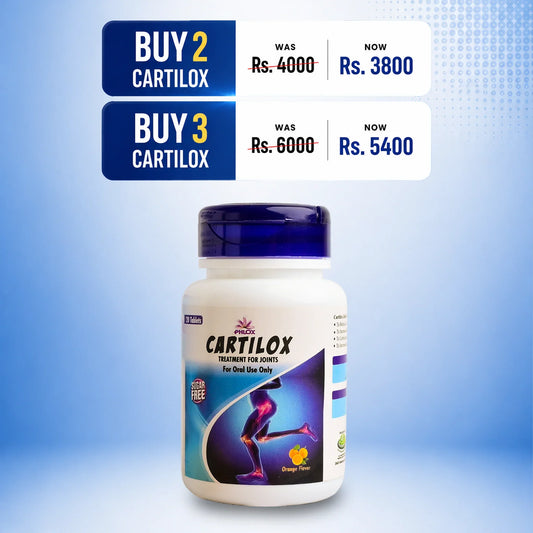
Phlox Official is a Pakistan-based nutraceutical and health supplement brand offering a range of products across bone and joint health, immune support, digestive health, men's and women's health, and pain management. Its bone and joint health line — including D-Phlox, CVD Plus Tablets, CVD Plus Syrup, and Cartilox — is built around the goal of making evidence-informed, quality-tested supplementation accessible to everyday households across Pakistan, backed by a stated commitment to laboratory testing and adherence to international manufacturing standards.
This guide reflects publicly available product information from Phlox Official's official product pages, alongside general, well-established nutritional science on vitamin D. It is intended to help you compare options thoughtfully — not to replace a conversation with your doctor or pharmacist about your specific health needs.
Conclusion: So, Which Vitamin D 5000 IU Is Best?
There isn't a single universal answer — the best Vitamin D3 5000 IU supplement is the one that matches your specific need, is backed by transparent labeling and quality manufacturing, and is taken consistently and correctly. For most adults looking for a well-rounded, standalone daily D3 tablet that also includes supporting Vitamin K and Vitamin A, D-Phlox Vitamin D3 5000 IU is a strong, budget-friendly option worth considering. Those who also need calcium support may prefer CVD Plus Tablets, while anyone under a doctor's care for severe deficiency may be guided toward the high-dose D-Phlox (200,000 IU) formula instead.
Whichever option you choose, the most important step is confirming your actual Vitamin D levels with a blood test and taking your supplement consistently, with a meal, and under the guidance of a healthcare professional.
Supplementation works best as part of a broader routine — reasonable sun exposure where practical, a reasonably balanced diet, and consistent daily use of a well-formulated tablet like D-Phlox Vitamin D3 5000 IU. Revisit your blood levels periodically with your doctor, and adjust your dosage or format (tablet, syrup, or high-dose correction) based on your evolving needs rather than sticking with one product indefinitely out of habit.


